Registriere Dich oder melde Dich im MyMountainClub an, um Deine Meinung zu diesem Thema abzugeben.
zum Login/RegistrierungTake it easy
Untouched powder snow, firn sparkling in the sun, and quiet forest clearings mean for many winter sports enthusiasts: Jump into the powder adventure! Right? Wrong - because often a protected ptarmigan or a snow hare searching for food is hiding right there. To give alpine wildlife the time it needs in both winter and summer, the OBERSTDORF · KLEINWALSERTAL BERGBAHNEN attach great importance to designated quiet zones.
Together with biologist Henning Werth, they support the "Respect your limits" initiative and implement considerate measures in Oberstdorf/Kleinwalsertal. Information and signage point to the protected areas for these sensitive animals and raise awareness among winter sports enthusiasts about preserving nature.
"The quiet zones are so important because the local animals severely restrict their activities in winter to conserve energy. Any disturbance by humans can have serious consequences. Nevertheless, we try to build a foundation of trust and convey to skiers that they are not alone on the mountain," explains Henning Werth. As long as ski enthusiasts adhere to the initiative's rules, winter sports and nature conservation successfully go hand in hand.
Well Camouflaged & Well Protected
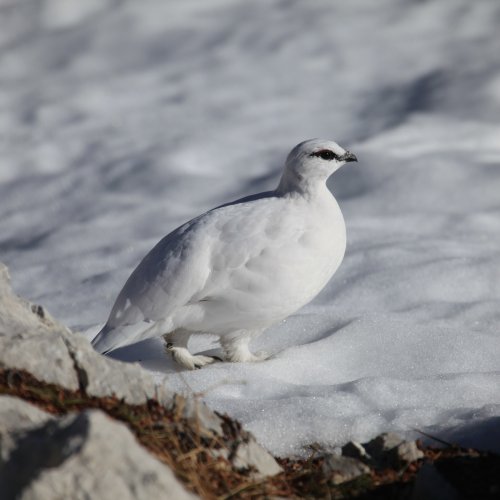
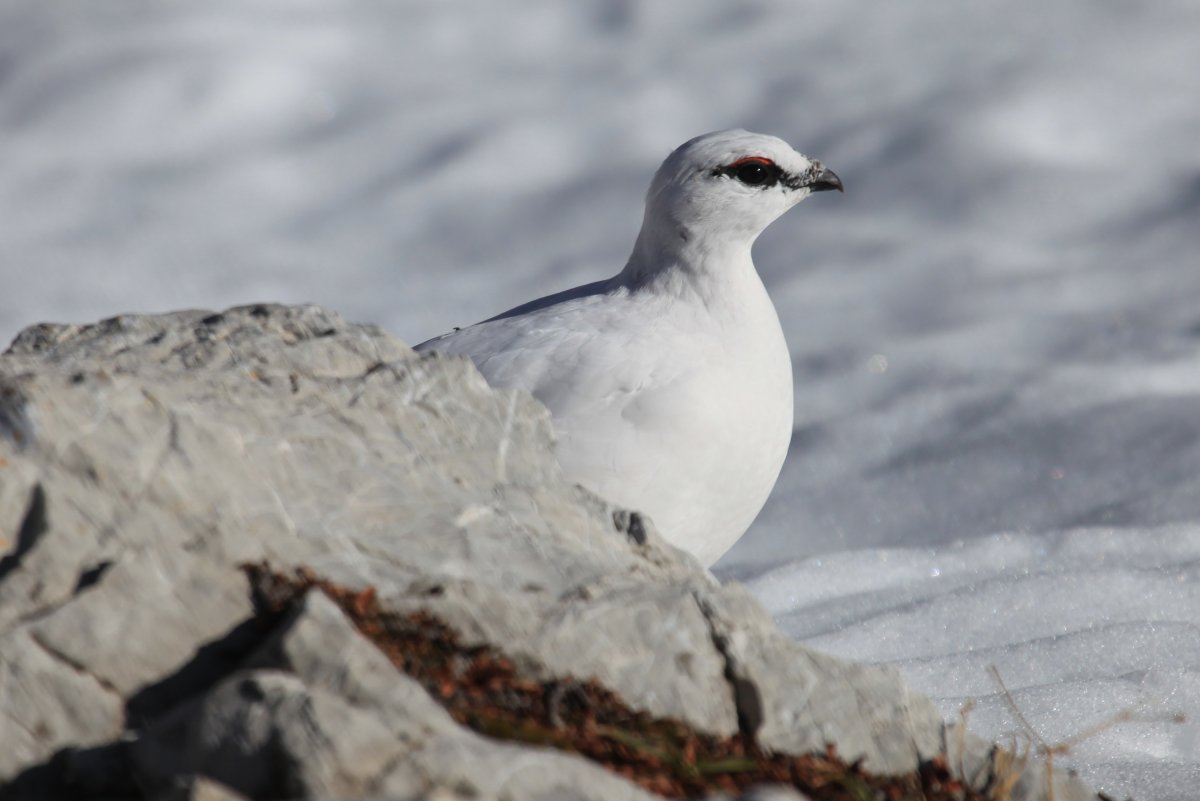
In the freshly fallen snow on the Nebelhorn, the strange footprints of a delicate mountain dweller are particularly visible. They resemble those of the mountain hare, but belong to a feathered animal – the Rock Ptarmigan. To protect this well-camouflaged bird, especially from freeriders and ski tourers, the OBERSTDORF · KLEINWALSERTAL BERGBANEN (mountain railways) have established special quiet zones.
In the warm summer months, the Rock Ptarmigan sports its brown-gray plumage with white speckles. However, when it gets cold and the snow lingers in the mountains, it changes its attire. It wraps itself in graceful white and becomes one with its winter surroundings. To help it move more easily in the fresh snow, nature has come up with an ingenious device. In winter, the Alpine ptarmigan's feet are covered up to the toes with particularly dense and fluffy feathers – natural snowshoes that also keep the feet toasty warm. In small flocks, they move lightly across the soft snow cover to search for food.
There are at least six ptarmigan territories on the Nebelhorn, located at or above the tree line. The population of these alpine birds depends on various factors such as weather, climate, or external disturbances. The ptarmigan reacts to threats, such as the approach of a human, by first freezing and then hastily flying away – an immense energy expenditure for the animal, which can have serious consequences, especially in winter when searching for food. To effectively protect the animal population, the establishment and maintenance of resting areas is important.
Do not disturb in summer, too
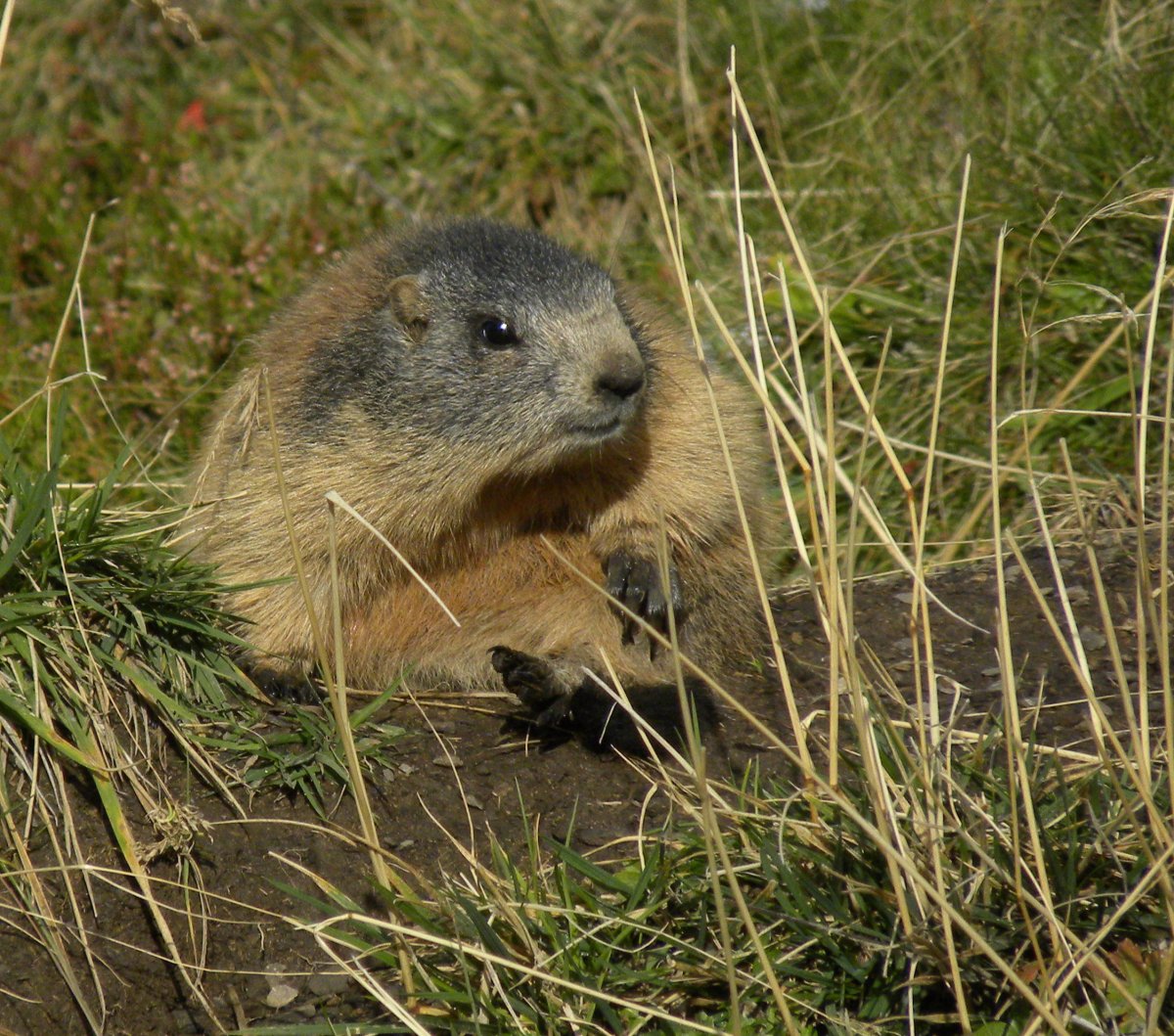
Other animals, such as marmots, build up a thick layer of fat during the summer, which helps them survive the winter with plenty of rest. Therefore, hiking in summer also requires great care. When you leave the trail, you often scare the animals away from their ideal feeding, sleeping, or breeding areas without ever seeing them.

Scheidtobel Wildlife Sanctuary at Fellhorn
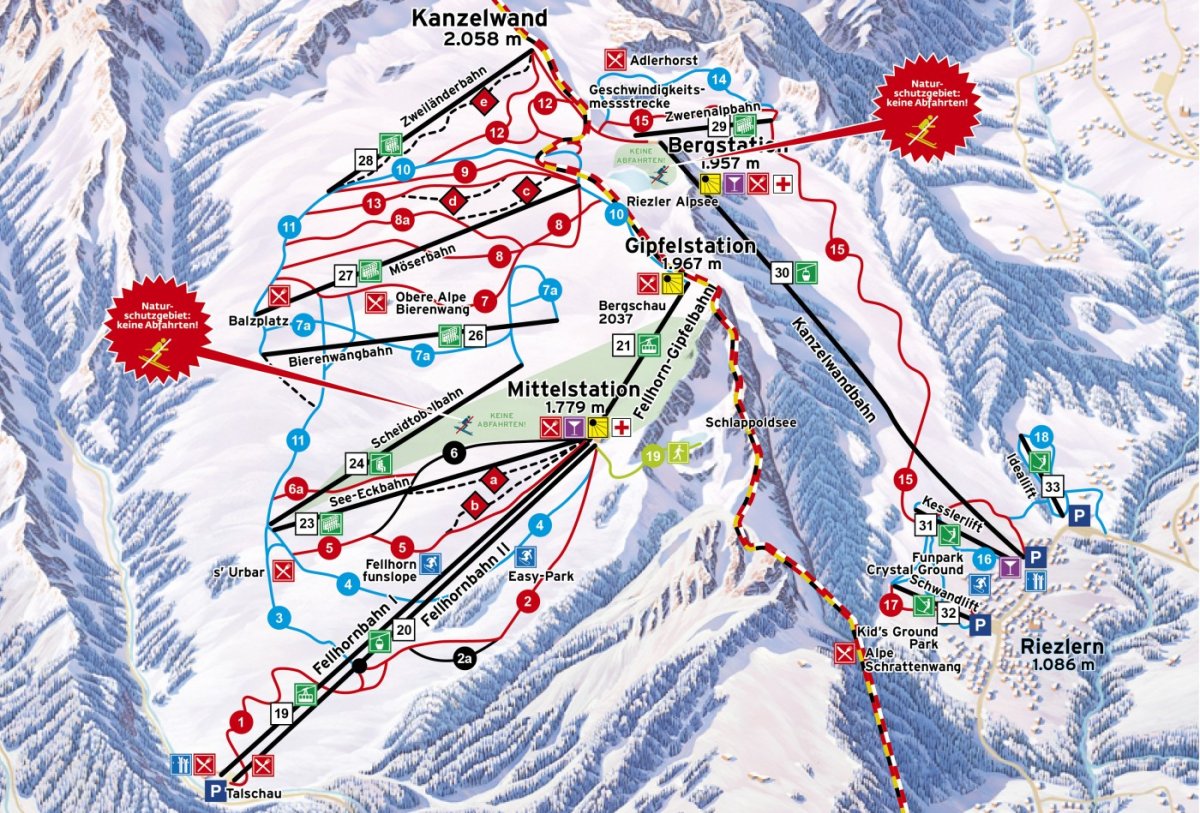
The "Scheidtobel" area is the wintering ground for black grouse and ptarmigan. These very rare bird species can be found here on the Fellhorn in nationally significant numbers. The number of black grouse is declining throughout Germany, but not so much on the Fellhorn. Thanks to the conservation measures in the Scheidtobel area, the population has increased from 24 in 2020 to 39 males in 2024. The Alpinium, in collaboration with the Bavarian State Office for the Environment and the Bavarian State Research Center for Forestry, is now investigating why this is the case on the Fellhorn and why populations are declining in other protected areas as part of the Ministry of the Environment's research plan running from 2024 to 2026.
The wintering method of black grouse
The survival strategy of these animals in winter is to fly as little as possible and, in very cold temperatures, to stay almost permanently in snow caves, resting there and drastically reducing their energy consumption. Every night, a new snow den is created. During the day, the birds feed on the buds of alder bushes growing along the edges of the ravines. When these alder or mountain pine bushes are completely covered in snow, they seek out higher-lying spruce or other trees and gather needles there. In very cold temperatures, the feeding period is limited to a few hours. If the birds cannot feed during this time, they face extinction. When skiing or snowboarding into the Scheidtobel area, there is a very high risk of injuring snow-entrapped animals, and escaping birds can lose so much energy that they freeze to death.
To ensure the survival of the grouse, the Oberallgäu District Office has issued a ban on entry to the Scheidtobel area on the Fellhorn: Driving and entering the area is prohibited during winter. Signs on site indicate the off-limits areas. For deep snow enthusiasts, the slope between the Fellhorn lift and the Scheidtobelgraben barrier is available.
Please adhere to the protected area barriers to give the animals living there a chance of survival
In summer, the initiative is supported by the consistent expansion and concentration of the main hiking trails, preventing hikers from using large areas of the Scheidtobel area. Black grouse-friendly grazing (especially at Alpe Bierenwang) is another very important component that benefits the birds. In the future, more areas will be put under grazing, in collaboration with neighboring landowners, especially BaySF.